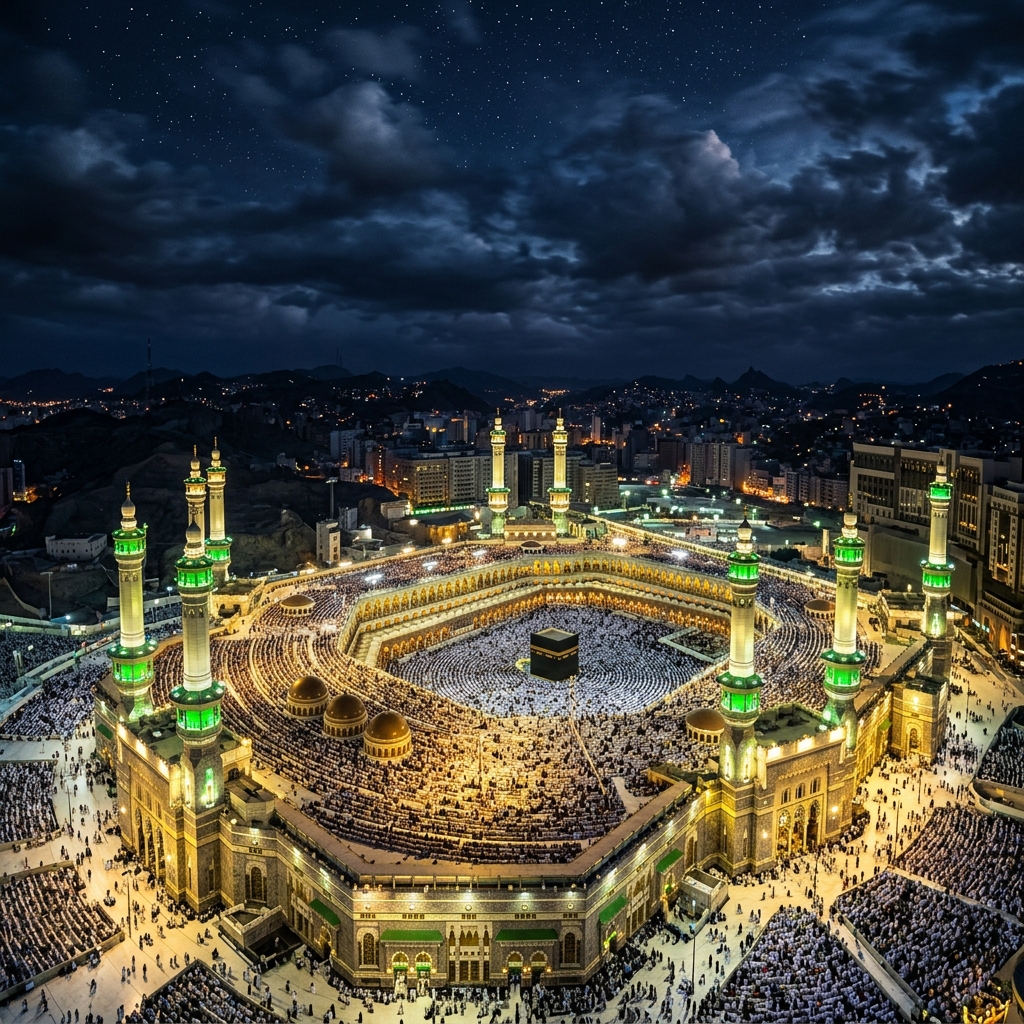
Before You Travel
Proper preparation is the key to a spiritually fulfilling and stress-free Umrah experience. Before you depart from the UAE, make sure you've completed this essential checklist:
- Visa and documents: Confirm your Umrah visa is approved and all travel documents are in order.
- Health check: Visit your doctor, especially if you have any chronic conditions. Get your mandatory Meningitis ACWY vaccination.
- Hotel confirmation: Print or save your hotel booking confirmations with addresses and contact numbers.
- Travel insurance: Consider purchasing travel insurance that covers medical emergencies in Saudi Arabia.
- Currency exchange: Exchange some UAE Dirhams for Saudi Riyals before departure. ATMs are widely available in both cities.
- Phone and SIM: Check if your UAE mobile plan includes Saudi Arabia roaming, or plan to buy a local SIM upon arrival.
- Learn the rituals: Refresh your knowledge of Umrah steps — Ihram, Tawaf, Sa'i, and Halq/Taqsir.
What to Pack
Packing the right items can make a significant difference in your comfort during Umrah. Here's what to bring:
Clothing
- Ihram garments (for men): Two white unstitched cloths. Bring a spare set in case one gets soiled.
- Modest clothing (for women): Loose-fitting, full-coverage clothes in breathable fabrics. Abayas are ideal.
- Comfortable walking shoes: Slip-on sandals or shoes that are easy to remove at mosque entrances.
- Light layers: Air conditioning inside the mosques can be quite cold, so bring a light shawl or jacket.
- Socks: The marble floors around the Haram can be extremely hot in summer — socks are a lifesaver.
Essentials
- Unscented toiletries: Fragrance-free soap, shampoo, and deodorant (required during Ihram).
- Sunscreen (unscented): SPF 50+ is recommended for outdoor areas.
- Small prayer mat: While not essential, having your own is convenient for praying in crowded areas.
- Waist belt/money pouch: Keep your valuables secure during Tawaf and in crowded areas.
- Medications: Bring any personal prescriptions plus basic medicine for headaches, stomach issues, and cold/flu.
- Reusable water bottle: Zamzam water is freely available, and a bottle helps you stay hydrated throughout the day.
Electronics
- Smartphone and charger: Essential for navigation, communication, and accessing your e-visa.
- Power bank: Long days at the Haram mean your phone battery will drain quickly.
- Universal adapter: Saudi Arabia uses Type G sockets (same as UAE), but check your hotel in advance.
- Earphones: Useful for listening to Quran recitations or dua guides during Tawaf.
Weather and Best Times to Visit
Understanding the weather in Makkah and Madinah helps you plan your trip better and pack appropriately:
- Winter (November – February): The most comfortable season with temperatures between 18°C – 30°C. Ideal for Umrah, especially for families with children and elderly pilgrims.
- Spring (March – April): Pleasant weather with mild temperatures around 25°C – 35°C. A popular time for Umrah travel.
- Summer (May – September): Extremely hot, with temperatures exceeding 45°C in Makkah. If traveling in summer, plan outdoor activities for early morning or late evening.
- Ramadan: The holiest month and the most popular time for Umrah. Expect large crowds but an unparalleled spiritual atmosphere. Book well in advance.
Pro tip: Regardless of season, always carry sun protection and stay well-hydrated. The indoor areas of the Haram are air-conditioned, but outdoor areas can be extremely hot.
Getting Around Makkah & Madinah
Navigating the holy cities is easier than you might think. Here are the main transportation options:
In Makkah
- Walking: If your hotel is near the Haram (within 1 km), walking is the most convenient option.
- Hotel shuttle: Many hotels offer free shuttle services to and from Masjid al-Haram.
- Ride-hailing apps: Uber and Careem operate in Makkah and are reliable for getting around the city.
- Taxis: Metered taxis are available. Agree on the fare before the ride, or insist on the meter.
- Haramain High-Speed Train: Connects Makkah to Madinah via Jeddah in about 2 hours. Modern, comfortable, and affordable.
In Madinah
- Walking: The area around Masjid an-Nabawi is very pedestrian-friendly with covered walkways.
- Free electric carts: Available in the Haram area for elderly and disabled pilgrims.
- Ride-hailing: Uber and Careem work well in Madinah for visiting Ziyarat sites.
- Organized tours: Many hotels and agents offer guided Ziyarat tours that cover all the key sites in one trip.
Mosque Etiquette
Respecting the sanctity of the Holy Mosques is paramount. Here are the essential dos and don'ts:
Do's
- Enter the mosque with your right foot and recite the dua for entering a mosque.
- Maintain a state of Wudu (ablution) at all times within the Haram.
- Speak softly and avoid unnecessary conversations, especially during prayer times.
- Follow the directions of the mosque staff and security — they're there to help.
- Be mindful of other worshippers' space, especially during Tawaf and in prayer rows.
- Keep your phone on silent mode inside the mosque.
Don'ts
- Don't push, shove, or rush during Tawaf or Sa'i — patience is part of the worship.
- Don't take photographs or videos in restricted areas (signs are posted).
- Don't block pathways or sit in areas designated for walking/movement.
- Don't bring large bags inside the Haram — use small, clear pouches if needed.
- Don't litter — maintain the cleanliness of the sacred spaces.
Must-Visit Places (Ziyarat)
Beyond the main rituals, both Makkah and Madinah offer numerous historical and spiritual sites worth visiting:
In Makkah
- Jabal al-Noor (Cave of Hira): Where the Prophet Muhammad (PBUH) received the first revelation. A challenging climb but deeply rewarding.
- Jabal Thawr (Cave of Thawr): Where the Prophet (PBUH) and Abu Bakr (RA) took refuge during the Hijra.
- Mina, Arafat, and Muzdalifah: Key Hajj sites that are also open to Umrah visitors.
- Masjid al-Jinn: A mosque near the Haram with historical significance.
- Abraj Al-Bait Clock Tower: The iconic landmark adjacent to the Haram, housing a mall, museum, and observation deck.
In Madinah
- Masjid Quba: The first mosque built in Islam. Praying 2 rakat here is equivalent to the reward of an Umrah.
- Masjid al-Qiblatain: The mosque where the direction of prayer was changed from Jerusalem to Makkah.
- Uhud Mountain and Martyrs' Cemetery: Site of the historic Battle of Uhud and the burial place of the martyrs.
- Jannat al-Baqi: The ancient cemetery adjacent to Masjid an-Nabawi where many companions of the Prophet are buried.
- Al-Masjid an-Nabawi (Rawdah): Try to pray in the Rawdah (Garden of Paradise) — the area between the Prophet's tomb and his pulpit.
Food and Dining
Both holy cities offer a wide variety of dining options for every budget and taste:
- Hotel meals: Most Umrah packages include breakfast. Many hotels also offer half-board or full-board options.
- Restaurants near the Haram: Numerous restaurants around Masjid al-Haram and Masjid an-Nabawi serve Arabic, Indian, Pakistani, Turkish, and international cuisines.
- Al Baik: A must-try! This iconic Saudi fast-food chain is famous for its fried chicken and is extremely popular with pilgrims.
- Street food: Fresh fruit juice stands, shawarma shops, and bakeries are abundant. Prices are very reasonable.
- Shopping malls: The malls near the Haram (Abraj Al-Bait, Al Safwa) have food courts with diverse options.
- Zamzam water: Available freely throughout both Harams and in many hotels. It's a blessed experience to drink directly from the source.
Tip: Eat light meals before Tawaf to maintain energy without feeling heavy. Dates and Zamzam water are an excellent pre-Tawaf combination.
Final Tips
Here are some additional pieces of advice to make your Umrah trip truly memorable:
- Download helpful apps: The "Umrah Guide" and "Muslim Pro" apps provide step-by-step ritual guides, prayer times, and Qibla direction.
- Keep a small Quran or dua book: Having your prayers written down helps you stay focused during Tawaf and at important locations.
- Travel with patience: Crowds are part of the Umrah experience. View them as a reminder of the global Muslim ummah coming together.
- Rest when you can: Don't try to do everything in one day. Pace yourself, especially if you're traveling with elderly family members or children.
- Buy souvenirs early: Don't leave shopping until the last day. Dates, Zamzam water, prayer beads, and attar (perfume) make wonderful gifts.
- Stay connected: Share your location with family members, especially when visiting the Haram or going on Ziyarat tours.
- Make the most of it spiritually: Disconnect from social media, minimize phone usage, and immerse yourself in prayer and reflection.